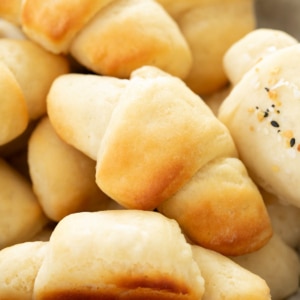
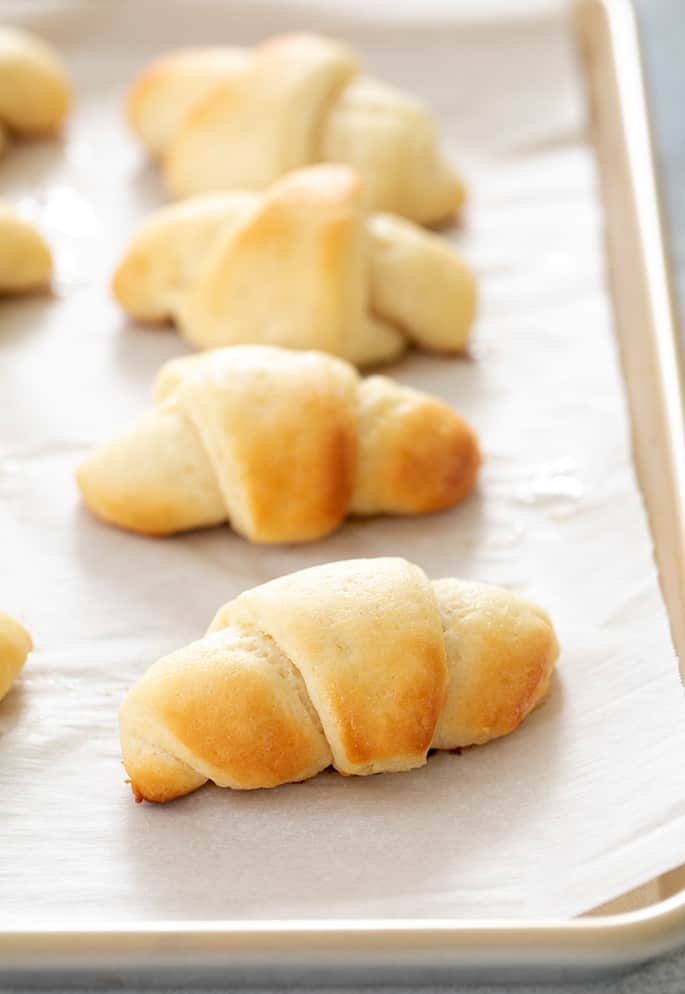
These tender, buttery gluten free crescent rolls are just as fluffy and soft as the ready-made can of rolls at the grocery store.
I’ve tested this beloved recipe with the gluten free bread flour options available to purchase, and am thrilled to report that it works just as well. Baking these Pillsbury copycat rolls just got a lot easier!
Recipe Notes
- Classic dough: I really miss refrigerated canned Pillsbury dough in a can, but you can’t buy a gluten free version of it.
- Versatile: Use it to make these classic soft, fluffy buttery rolls, plus a crescent ring, baked brie, pizza rolls, pigs in blankets, and anything else you want to roll inside or bake on top.
- Make ahead: The raw dough keeps in the refrigerator in a tightly sealed container for up to 5 days. Use the dough to make some fresh rolls tonight, and for apple hand pies in a few days.
- Easy to make: This recipe can be made with my specialized gluten free bread flour blend, and also with King Arthur Flour gluten free bread flour or Caputo Fioreglut gluten free flour.
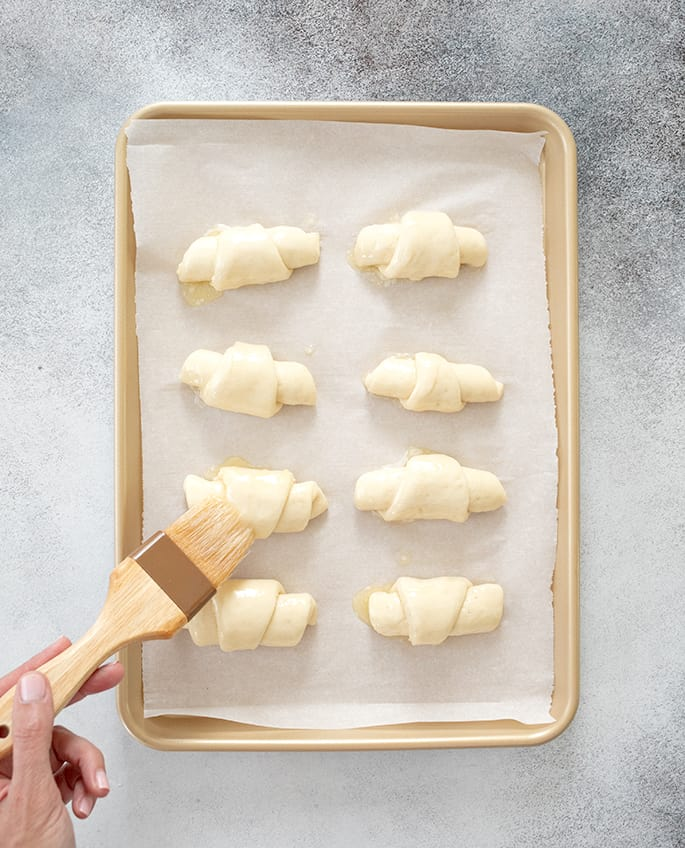
How to make gluten free crescent rolls
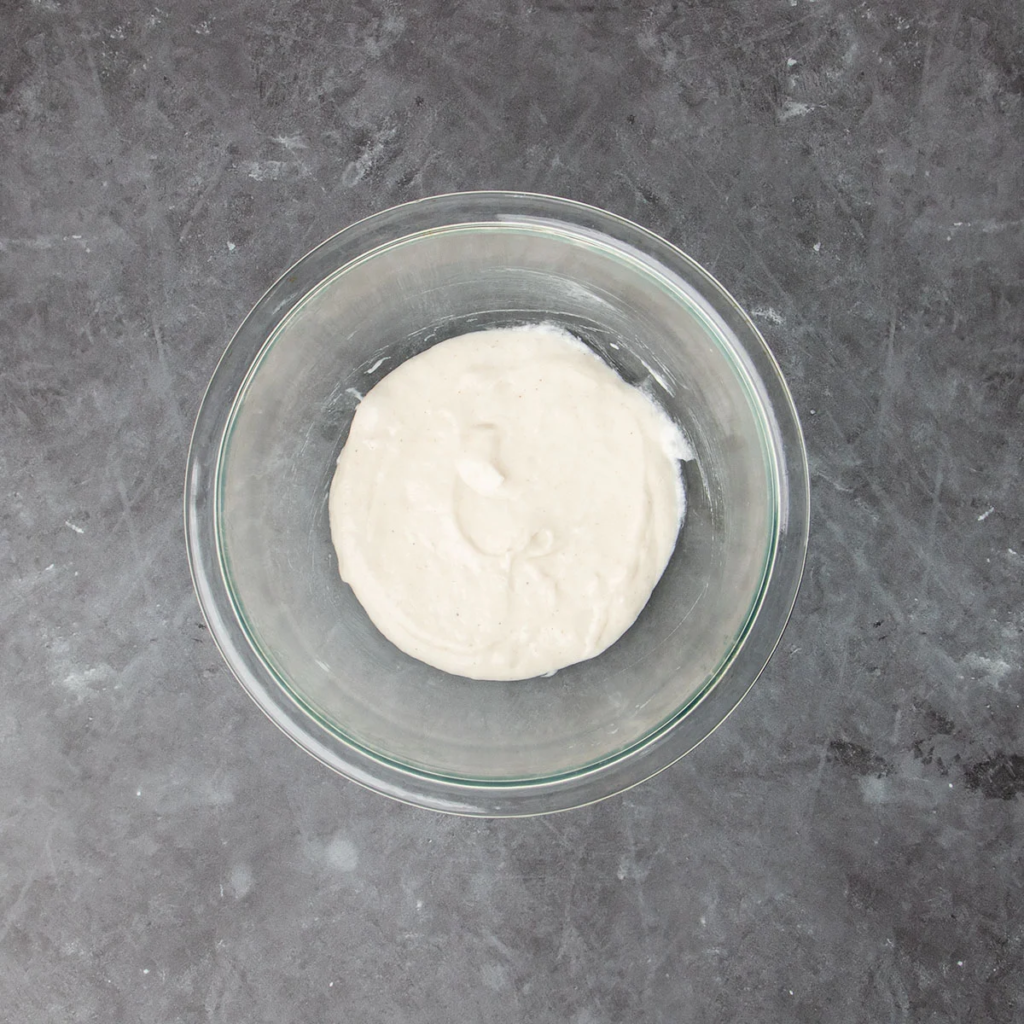
Make the starter: We begin with a “starter” or pre-ferment to give the crescent dough a head start in rising, and to make the dough easier to handle. With all the yeast in the recipe, and doubles in size.
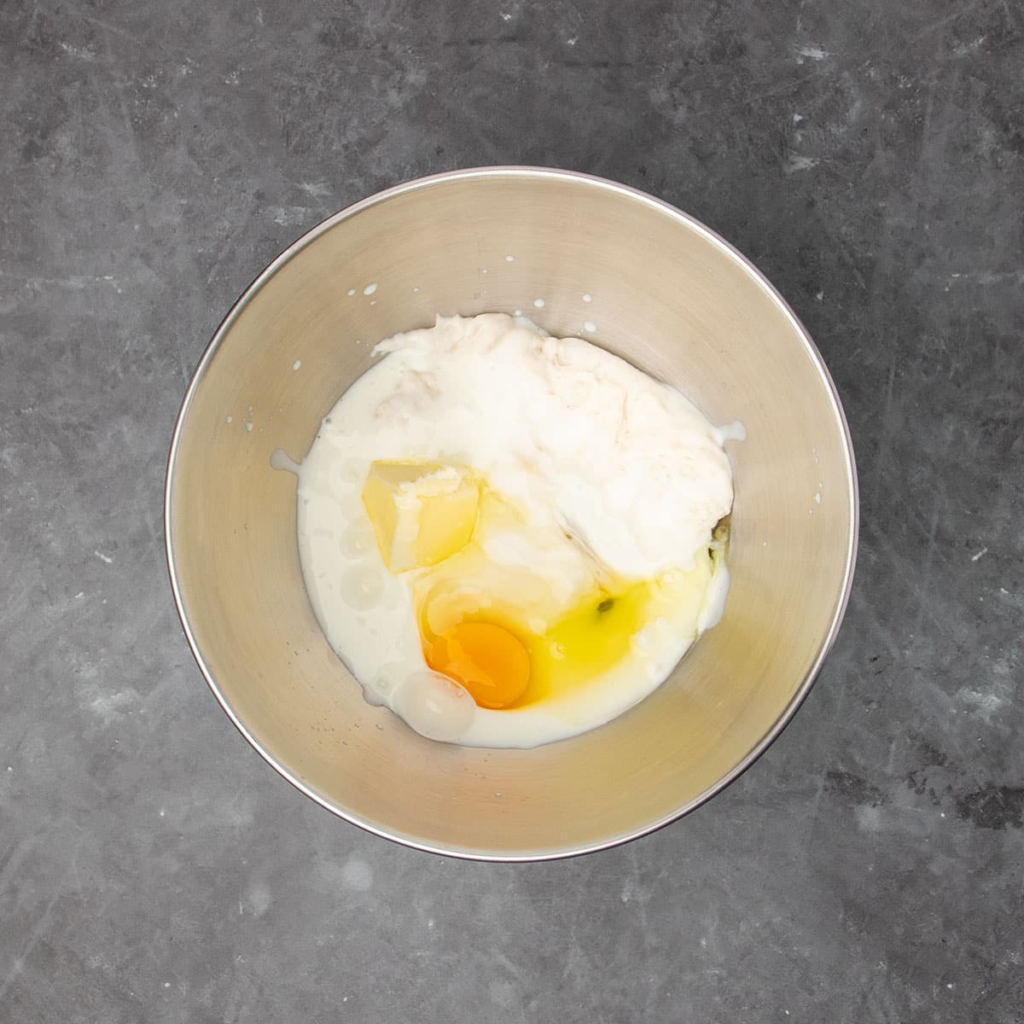
Make the dough: Add all of the wet ingredients (buttermilk, egg, honey, softened butter, and the risen starter) to the bowl of a stand mixer (or a large bowl). Whisk together the gluten free bread flour and salt, add to the wet ingredients, and knead well with the dough hook (works for a handheld mixer with the hook). Transfer the dough to a sealed container, and refrigerate for up to 5 days.
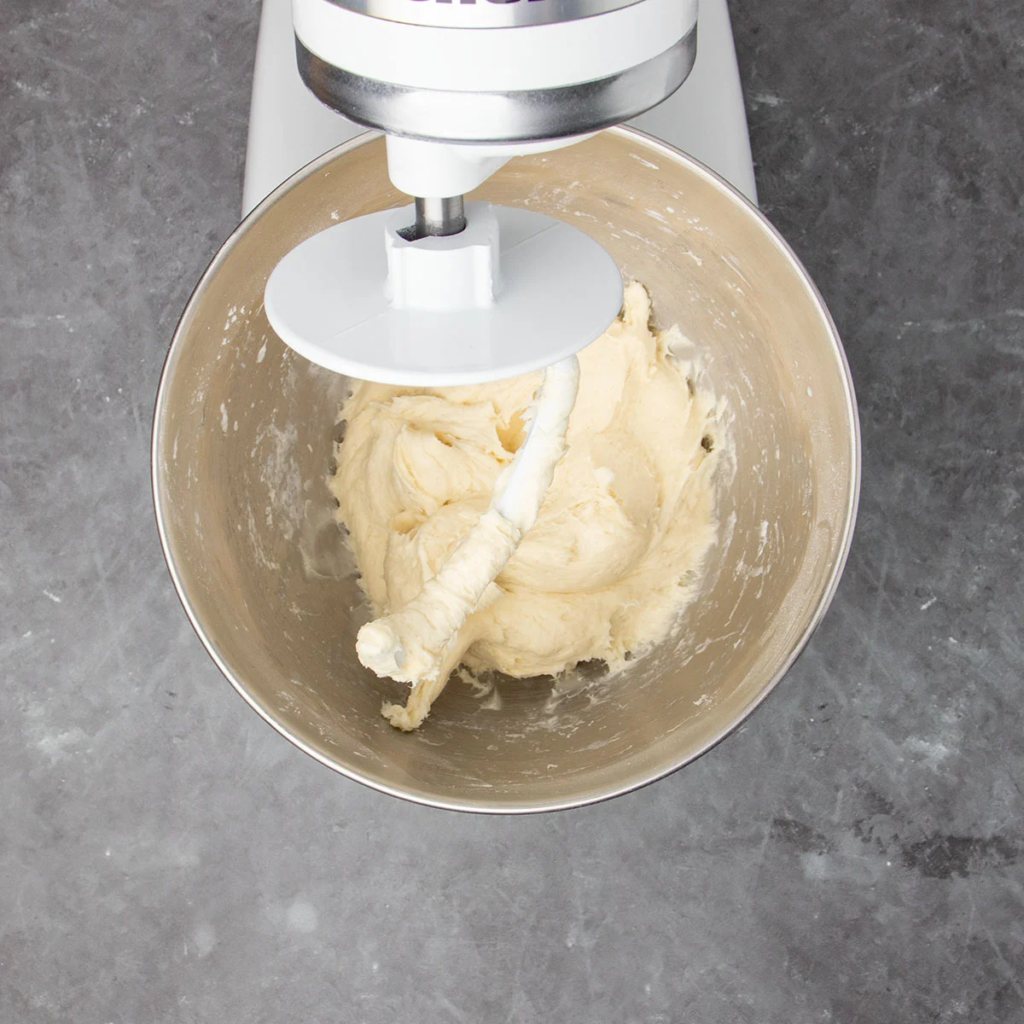
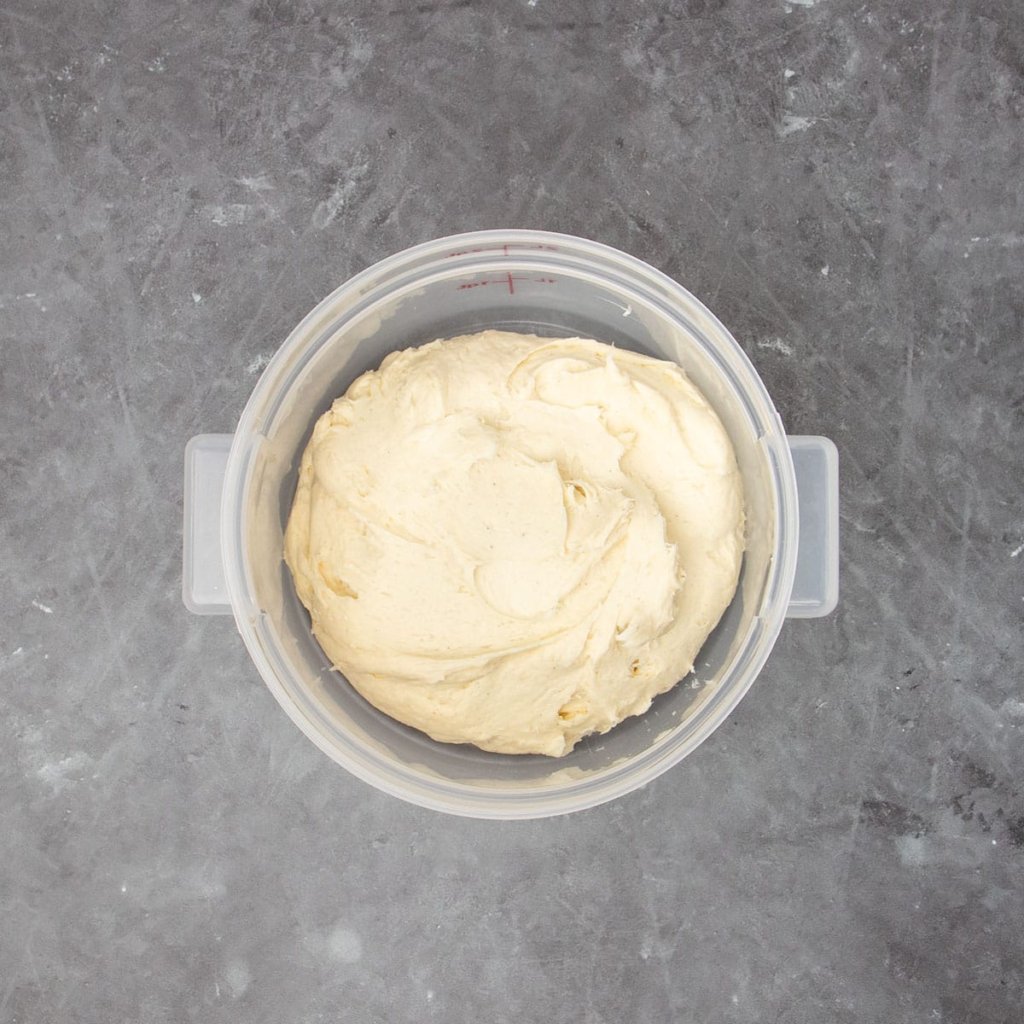
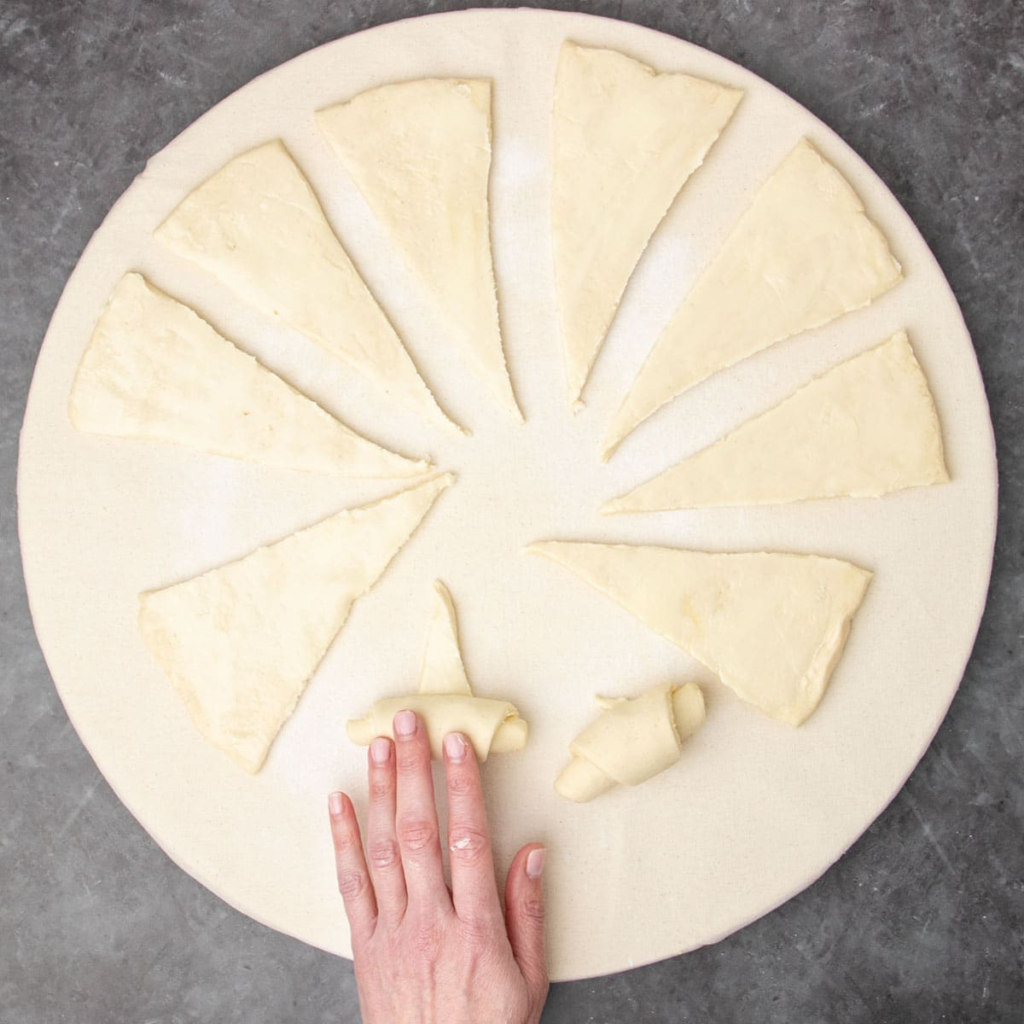
Shape the dough: On baking day, turn the dough out onto a shaping surface, smooth out with a bit of extra flour, and roll into a round. Slice the round into 4 quarters, then each quarter into 3 pieces for 12 triangles. Brush or spread softened butter on top.

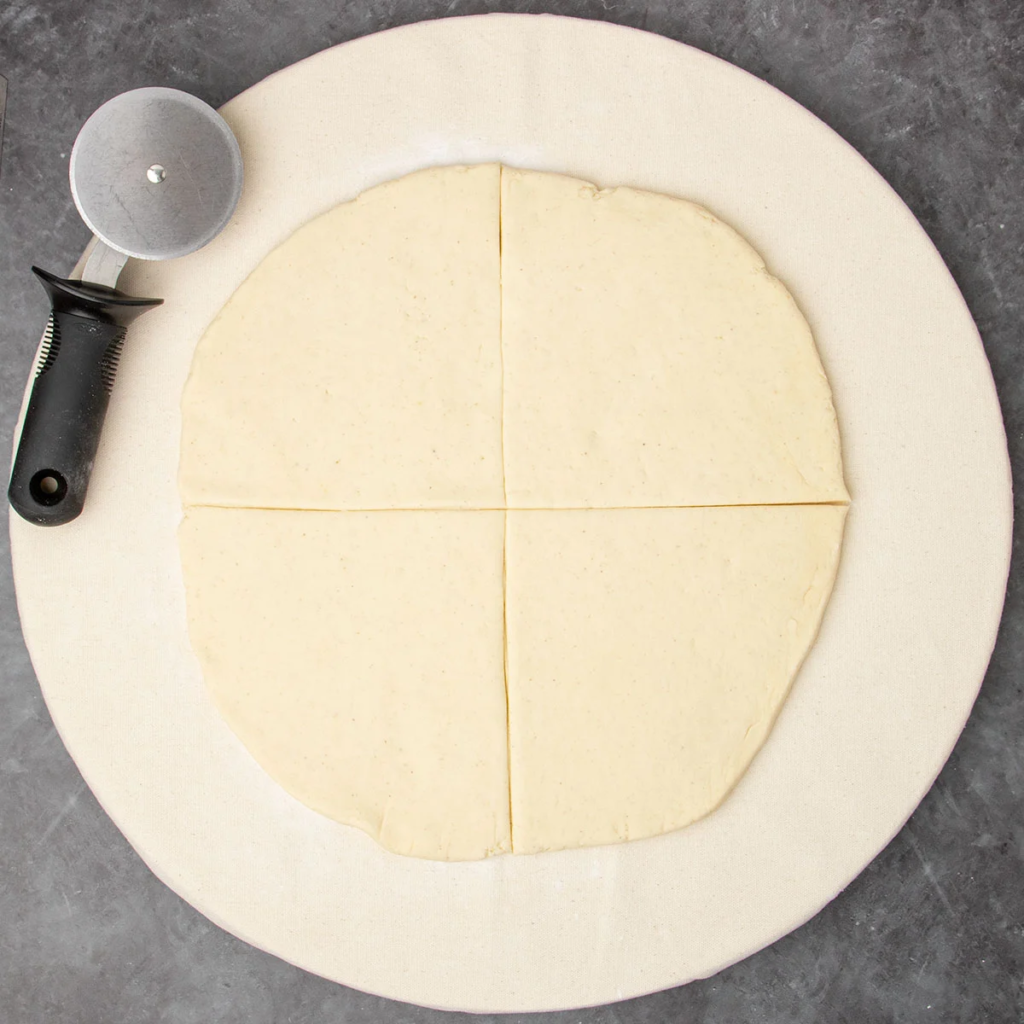
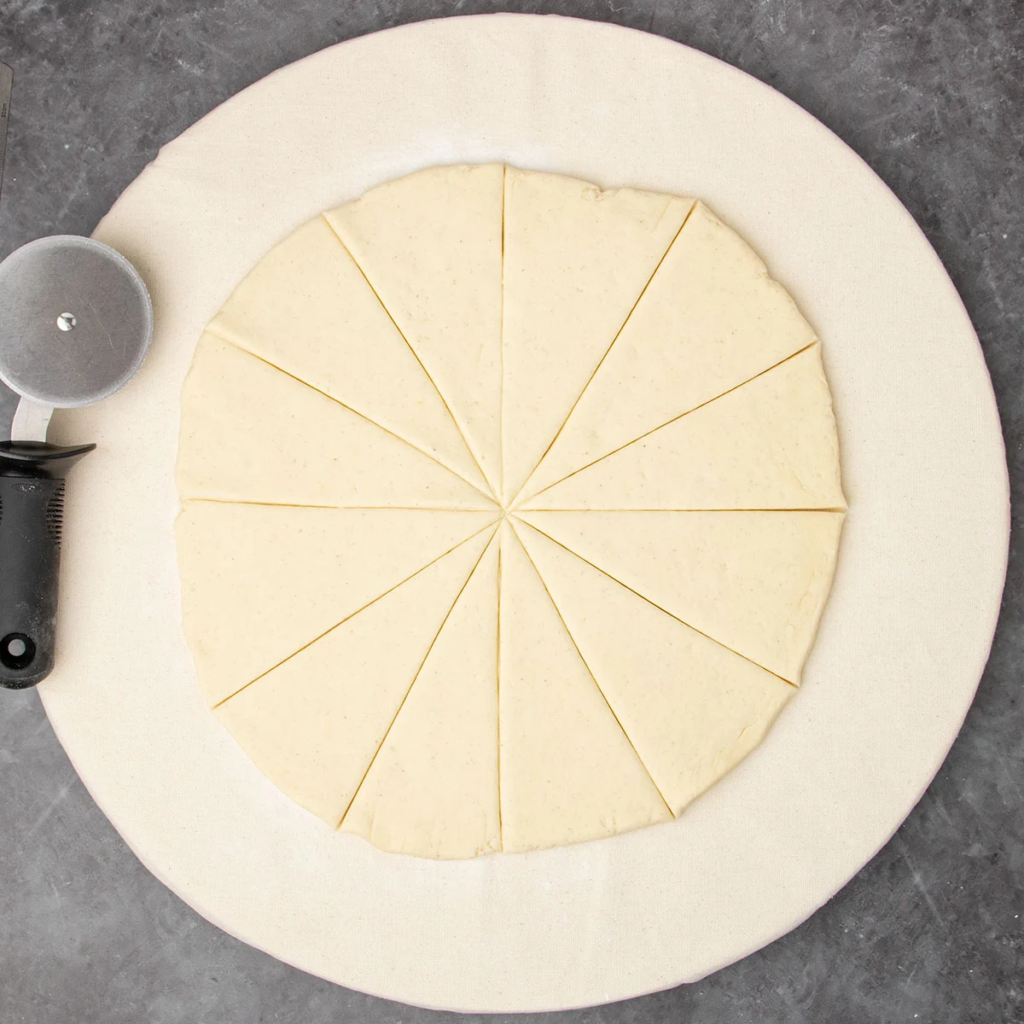
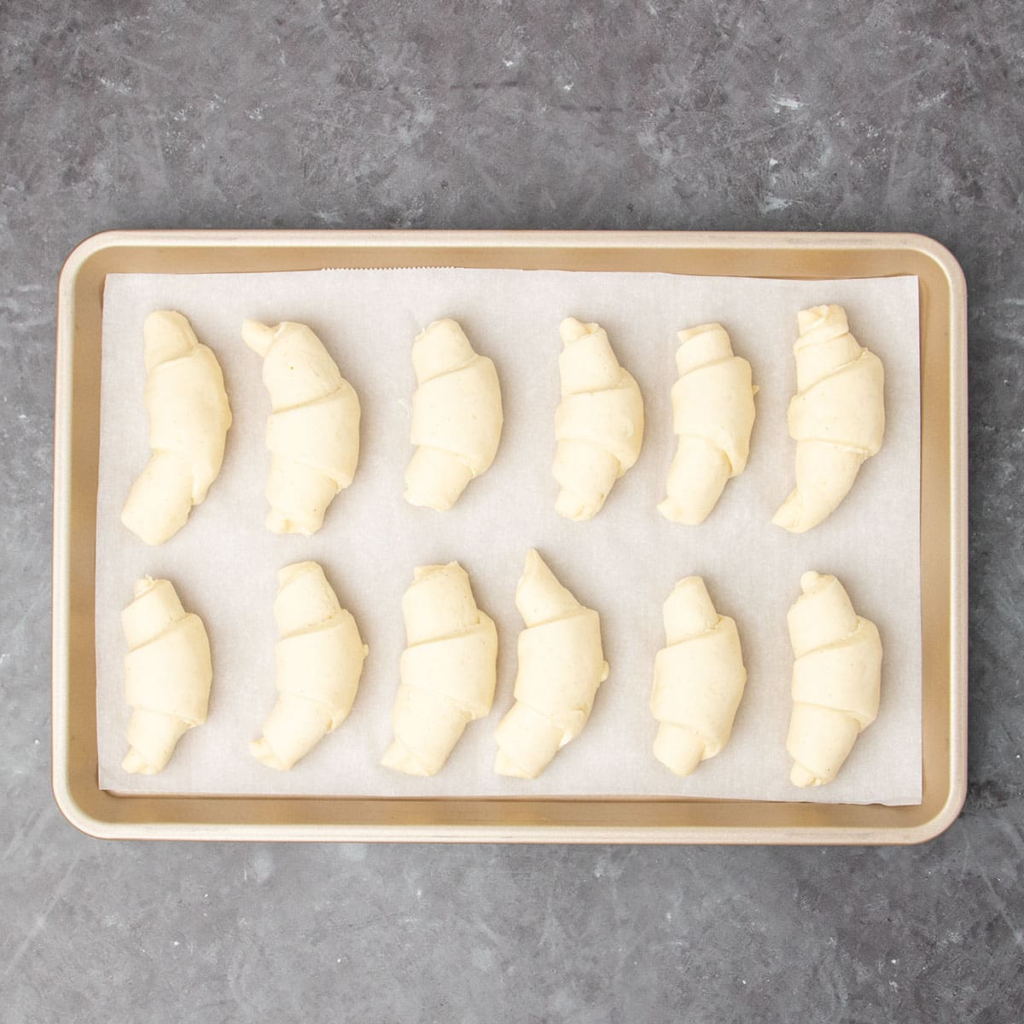
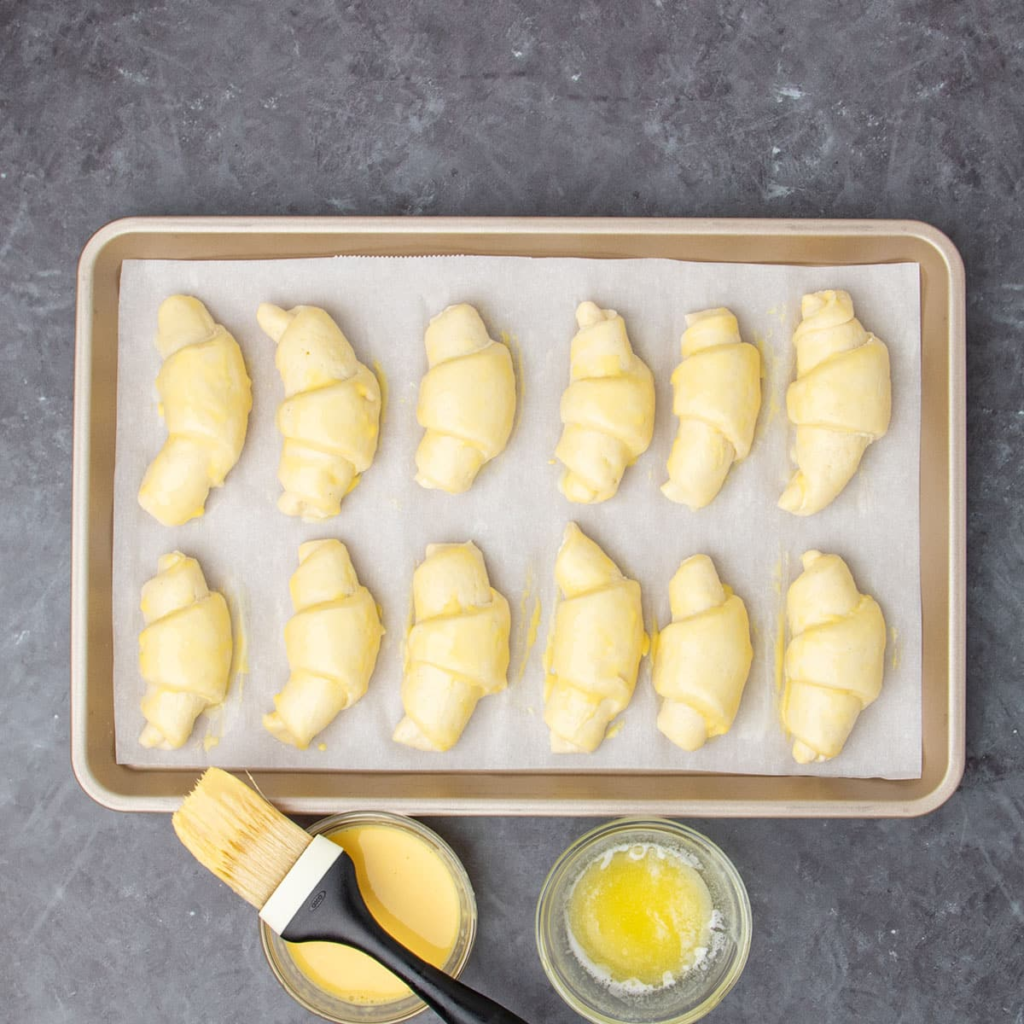
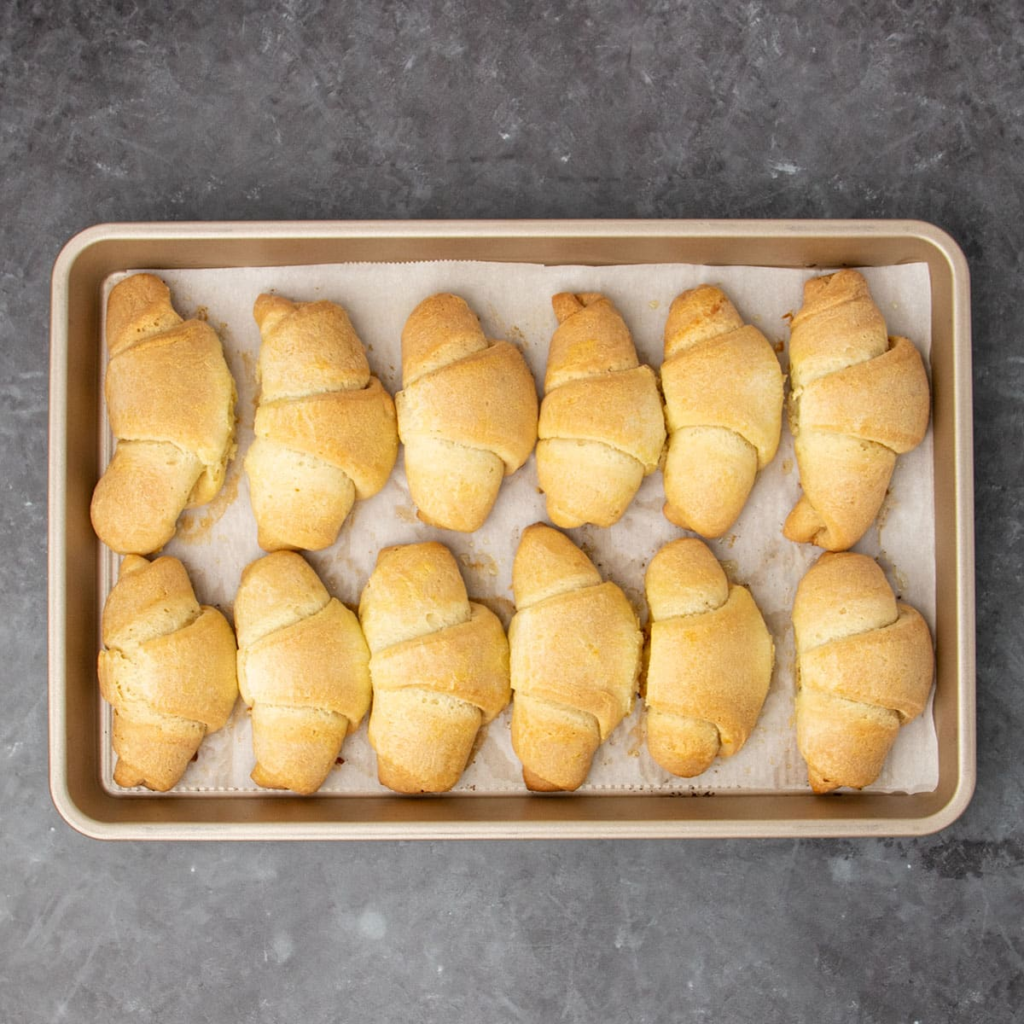
Finish and bake: Separate the triangles and roll each from base to tip. Place on a baking sheet, brush with melted butter (and an egg wash, if using Caputo Fioreglut or KAF bread flour), and bake.
Expert tips
Shape chilled dough
Avoid overflouring the dough during shaping by working with cold dough. It’s naturally much less sticky that way. And use a light touch during shaping.
Brush with barely-melted butter
We brush the inside and the outside of the rolls with butter before baking. Butter that has just started to melt is soft enough to spread and brush, but less likely to leak out during baking.
Double the recipe
The original recipe was written to make 24 rolls. To test other bread flours, I cut it in half to make 12, and preferred the smaller batch.
If you plan to use it for crescent roll appetizers and snacks from the past, just double the yield to 24 or click the [2X] button in the full recipe below.
Brush with an egg wash
If you’re using Caputo Fioreglut gluten free flour or King Arthur Flour gluten free bread flour, the rolls need help browning in the oven. Brush them first with melted butter, then an egg wash.
Choose your flour blend carefully
This recipe needs gluten free bread flour in one form or another to work. An all purpose gluten free flour blend like Better Batter’s classic blend or Nicole’s Best won’t work properly. But there are more bread flour options than ever!
Ingredient substitutions
Dairy free
In place of buttermilk, use half nondairy sour cream, half nondairy milk. In place of regular butter, use block vegan butter (Miyoko’s Creamery is my favorite brand, but Earth Balance sticks should work, too).
Avoid using my gluten free bread flour blend, which must contain dairy. Instead, use Caputo Fioreglut or KAF gluten free bread flour (keep in mind that they both contain wheat starch, though, which is safe for celiacs but not if you are allergic to wheat).
Egg free
Try replacing the egg with a “chia egg” (1 tablespoon ground white chia seeds + 1 tablespoon lukewarm water, mixed and allowed to gel).
Yeast
If you don’t have instant yeast, you can use active dry yeast. Use just under 1 gram more for a total of 4 grams active dry yeast, and dissolve it first in some of the warm water in the starter first.
Gluten Free Crescent Rolls Recipe
Prep Time: 25minutes mins
Cook Time: 15minutes mins
Rising time: 3hours hrs 30minutes mins
Total Time: 4hours hrs 10minutes mins
Yield: 12 rolls
These soft, buttery gluten free crescent rolls are made with gluten free bread flour for the fluffiest rolls. Perfect for any meal or holiday!
Equipment
- Stand mixer with dough hook (or handheld mixer with dough hook attachments)
- 1 2 liter proofing bucket or other sealed container
- Pizza or pastry wheel or sharp knife, for slicing the dough
Ingredients
For the starter
- ▢⅝ cup (88 g) gluten free bread flour blend, (see Recipe Notes)
- ▢1 ½ teaspoons (6 g) granulated sugar
- ▢1 teaspoon (3 g) instant yeast, (see Recipe Notes)
- ▢½ cup (4 ounces) warm water, (about 95°F)
For the dough
- ▢1 ¾ cups (245 g) gluten free bread flour blend, (see Recipe Notes), plus more for sprinkling
- ▢1 ½ teaspoons (9 g) kosher salt
- ▢1 teaspoon (6 g) honey
- ▢⅜ cup (3 fluid ounces) buttermilk or plain whole milk yogurt, at room temperature
- ▢1 (50 g (weighed out of shell)) egg, at room temperature
- ▢2 tablespoons (28 g) unsalted butter, softened
- Risen Starter
- ▢3 tablespoons (42 g) unsalted butter, just barely melted
- ▢Egg wash, (1 egg beaten with 1 tablespoon milk, cream, or water) optional
Instructions
Make the starter.
- In a medium-size bowl, place the bread flour, granulated sugar, and instant yeast, and whisk to combine well. Add the warm water, and mix until smooth and well-combined. (If using Caputo Fioreglut flour, add the water to the bowl first, followed by the flour, sugar, and instant yeast.)
- The mixture will be thick and shapeless. Cover and set the bowl aside in a warm, draft-free location to rise until doubled in size (about 45 minutes).
Make the dough.
- In a stand mixer bowl (or a large bowl with a handheld mixer with dough hooks), add the honey, yogurt or buttermilk, egg, room temperature butter, and risen starter to the bowl.
- In a separate bowl, whisk together the bread flour and salt, and whisk to combine. Add to the mixing bowl on top of the wet ingredietns.
- Place the bowl in your stand mixer fitted with the dough hook and knead for about 5 minutes on medium-high speed or until the dough is smooth and stretchy, and appears to have lightened a bit in color.
- Spray a silicone spatula with cooking oil spray, and scrape down the sides of the bowl to make sure all the dry ingredients are incorporated.
- Transfer the dough to a bowl or proofing bucket large enough for the dough to rise, and cover tightly with plastic wrap or the top of your proofing bucket.
- Place the dough in the refrigerator for at least 1 hour and up to 5 days.
Shape the rolls.
- On baking day, line a rimmed baking sheet with unbleached parchment paper and set it aside.
- Turn the dough out onto a lightly floured surface, and sprinkle it very lightly with more flour. Handling the dough very gently so you don’t incorporate
- too much flour into the dough, turn the dough over a few times until it’s smoother.
- Roll the dough into a 10-inch to 12-inch circle, turning the dough over frequently, sprinkling very lightly with more flour as necessary, and moving it around to prevent sticking.
- With a pizza wheel or sharp knife, slice the round of dough into 4 equal pieces, each a very wide triangle. Slice each quarter into 3 equal triangles, making 12 triangles total.
- Brush the dough liberally with about half of the 3 tablespoons of barely melted butter, then allow the dough to sit briefly to allow the butter to set.
- Separate one triangle from the circle, and roll it gently but securely from base to tip. Place the shaped raw crescent roll on the prepared baking sheet, with the tip of the triangle secured on the bottom.
- Repeat with the remaining pieces of dough. Space the rolls about 1 1/2 inches apart on the prepared baking sheet.
Let the rolls rise.
- Cover the baking sheet with lightly oiled plastic wrap, and place it in a draft-free location to rise until about 150% of its original size, or 50% more than the size it started (about 45 minutes).
- The rolls will not double, so do not overproof. If the dough starts to look less smooth on top or break, stop the rising right away.
Bake the rolls.
- About 15 minutes before the end of the rolls’ rise, preheat your oven to 350°F. If you’ve used Caputo Fioreglut or KAF gf bread flour, preheat the oven to 375°F.
- Once the rolls have finished rising, remove the plastic wrap and brush the tops generously with the rest of the barely melted butter. If you’ve used Caputo Fioreglut or KAF gf bread flour, brush the the tops of the rolls with an egg wash as well.
- Place the baking sheets in the center of the preheated oven and bake until the rolls are just browned (about 15 minutes).
- Remove from the oven, and serve warm.
Notes
About gluten free bread flour.
For a full explanation of my gluten free bread flour blend, including questions regarding substitutions in that blend, how to create it, and how to handle it, please click over to that post.
Here are the weight measurements for making the total 4 3/4 cups (665 grams) required for this bread dough:
- 475 grams Better Batter original blend all purpose gluten free flour or my mock Better Batter
- 119 grams whey protein isolate
- 71 grams Expandex modified tapioca starch
You can also make this recipe with King Arthur Flour’s Gluten Free Bread Flour blend and Caputo Fioreglut gluten free flour blend without any changes to the starter or dough ingredients. To encourage the rolls to brown with these flours, though, brush the outside of the shaped and risen dough first generously with melted butter, then with an egg wash (1 egg beaten with milk, cream, or water) and bake at 375°F. About the yeast.
This recipe calls for 5 grams of instant yeast, which is also called breadmaker or rapid rise yeast.If you would like to substitute active dry yeast in its place, you’ll need to multiply the amount by 125% or 1.25 (5 x 1.25 = 6.25), then dissolve the yeast in the water from the starter first.Allow it to activate before adding the remaining starter ingredients and following the recipe as instructed.
Nutrition
Serving: 1roll | Calories: 128kcal | Carbohydrates: 21g | Protein: 2g | Fat: 4g | Saturated Fat: 2g | Polyunsaturated Fat: 0.2g | Monounsaturated Fat: 1g | Trans Fat: 0.1g | Cholesterol: 23mg | Sodium: 305mg | Potassium: 26mg | Fiber: 1g | Sugar: 1g | Vitamin A: 134IU | Vitamin C: 0.01mg | Calcium: 12mg | Iron: 0.1mg
Nutrition information is automatically calculated, so should only be used as an approximation.
